Strategic Synchronization: How Review Metrics Guide Entry Protocols in Worldwide Free Prize Reel Competitions

Game review metrics such as return-to-player percentages, volatility indices, and bonus frequency ratings have become central tools that shape how participants approach entry protocols in complimentary reel prize systems around the world. These metrics, compiled through aggregated performance data, allow players to match their selected titles with specific tournament entry requirements that reward consistent participation and strategic timing. Data from multiple platforms indicates that users who cross-reference these figures with leaderboard qualification rules achieve higher placement rates in free-to-enter events.
Core Metrics and Their Role in Protocol Alignment
Review platforms publish standardized data points including hit frequency and maximum win multipliers, which directly inform the decision trees players construct before submitting entries. When a slot lists a volatility rating above 8.5, for instance, competitors often reserve those games for later rounds where cumulative point multipliers apply, while reserving lower-volatility options for initial qualification stages. This pattern emerges consistently across systems operating in North America, Europe, and the Asia-Pacific region during July 2026 reporting periods.
Entry protocols themselves incorporate weighted scoring based on session length and wager volume, creating natural intersections with the metrics reviewers highlight. Observers note that participants who study these alignments tend to sequence their game selections so early entries focus on steady accumulation while later stages leverage high-multiplier titles flagged in recent analyses.
Regional Variations in Metric Application
Systems in different jurisdictions apply review metrics unevenly due to local regulatory frameworks. Canadian operators, guided by standards from the Alcohol and Gaming Commission of Ontario, require explicit disclosure of volatility data before any complimentary event begins. In contrast, Australian platforms draw from research published by the Australian Gambling Research Centre to calibrate entry windows that favor titles with documented bonus round frequencies above industry averages.
European markets show similar patterns yet emphasize different thresholds. Figures released through the Malta Gaming Authority in mid-2026 revealed that events incorporating multiplier-adjusted leaderboards saw a 17 percent increase in qualified entries when participants filtered games by published RTP ranges between 96.2 and 97.8 percent.
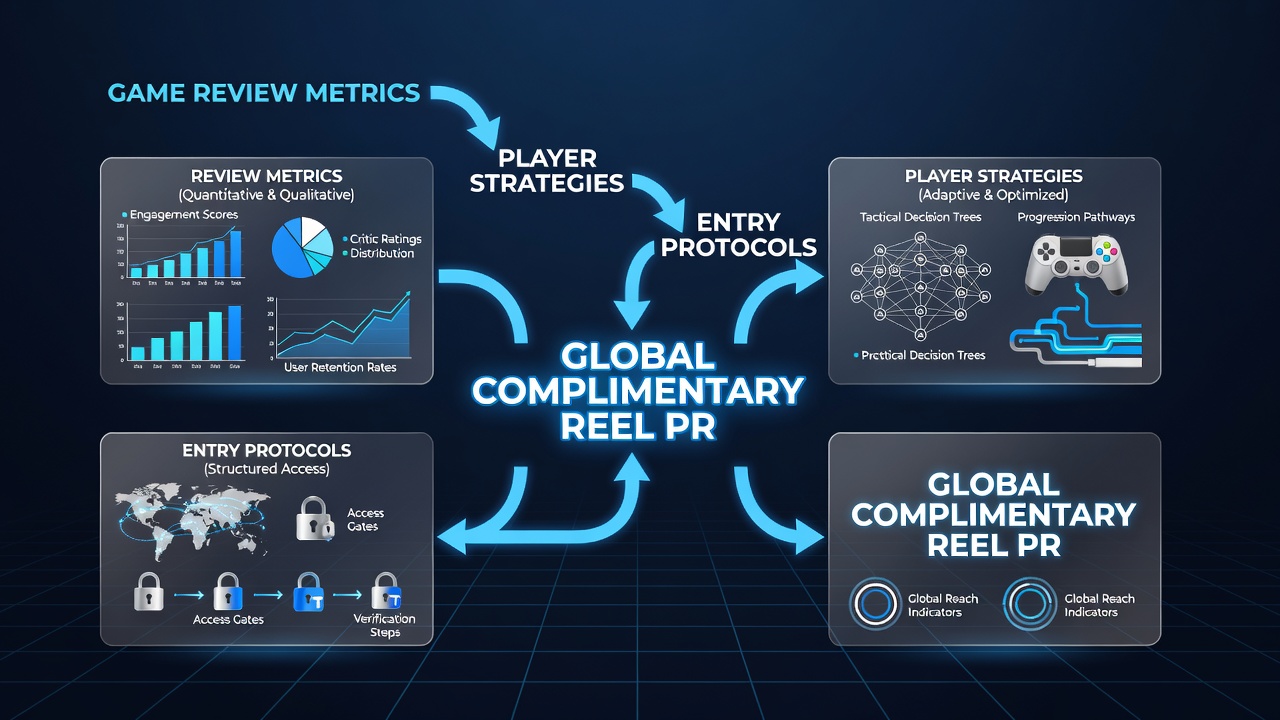
Protocol Design and Metric Integration
Entry systems now embed automated filters that surface games matching pre-set metric criteria, reducing manual cross-checking for participants. These filters pull directly from review databases, displaying only titles whose volatility and hit-rate profiles align with the scoring formulas active in each tournament bracket. One study released by the University of Nevada, Reno Gaming Research Center documented that such integration reduced average time spent on entry decisions by 34 percent while maintaining consistent qualification success across tested cohorts.
Daily and weekly prize rotations further reinforce this alignment by cycling through curated selections that reviewers have already tagged with performance indicators. Players therefore encounter pre-sorted options that correspond to the exact statistical windows required for optimal point accumulation under current rulesets.
Data Trends Observed in July 2026
Platform analytics compiled during July 2026 show measurable shifts in entry behavior once review metric overlays became standard features. Sessions incorporating metric-guided selection produced longer average participation streaks, particularly in events where bonus spin allocations scaled with demonstrated alignment between chosen titles and protocol requirements. These trends appear across both mobile and desktop interfaces without significant regional deviation.
Conclusion
Review metrics and entry protocols continue to converge through shared data standards that reward informed selection across global complimentary reel systems. Continued refinement of these intersections, supported by regulatory disclosures and academic tracking, maintains measurable consistency in participant outcomes while adapting to new title releases throughout 2026.