Mapping Regional Differences in Award Systems for No-Cost Digital Slot Contests
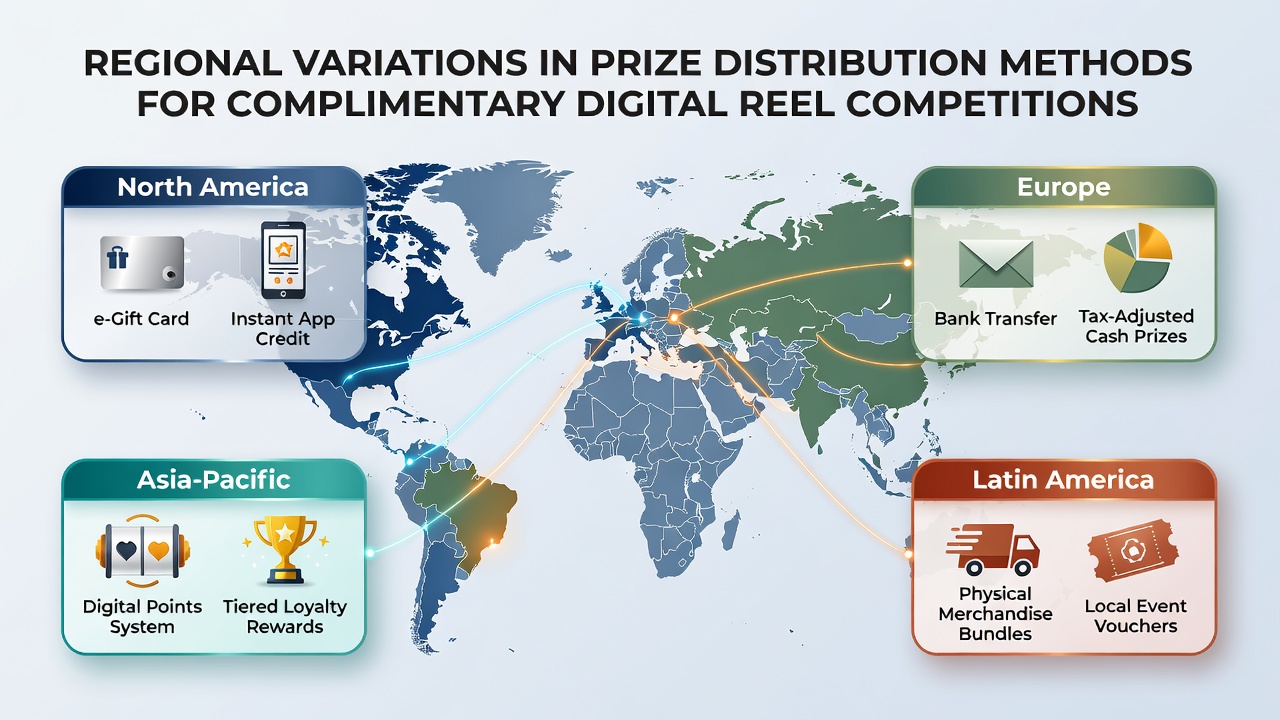
Regional approaches to distributing prizes in complimentary digital reel competitions reflect a mix of local regulations, platform structures, and player engagement patterns that have evolved through 2026, with observers noting distinct methods in North America, Europe, and Asia-Pacific markets as of June 2026.
North American Frameworks
Platforms operating in the United States and Canada often rely on sweepstakes-style models where entries accumulate through free or purchased virtual credits, and winners receive cash or bonus credits based on leaderboard positions that reset daily or weekly, according to data from the American Gaming Association. These systems emphasize cumulative play metrics, yet they must comply with state-specific rules that separate skill elements from chance-based rewards, which leads operators to structure payouts as merchandise or account credits in certain jurisdictions while allowing direct monetary transfers in others like Nevada.
Canadian provinces such as Ontario have introduced centralized reporting requirements that track prize pools separately from operator revenue, resulting in transparent allocation formulas that divide total awards among top percentages of participants rather than fixed top-three payouts.
European Allocation Patterns
European markets show greater emphasis on time-limited events tied to national licensing regimes, where prize distribution frequently incorporates progressive jackpots funded by aggregated player activity across multiple operators, and figures from industry reports indicate that these pools convert into instant-win vouchers or account top-ups distributed within 48 hours of event closure. Operators in Germany and the Netherlands apply strict caps on individual prize values to align with consumer protection statutes, whereas Mediterranean regions permit larger cumulative awards when events include social sharing components that extend participation beyond core gameplay sessions.
Asia-Pacific Methods
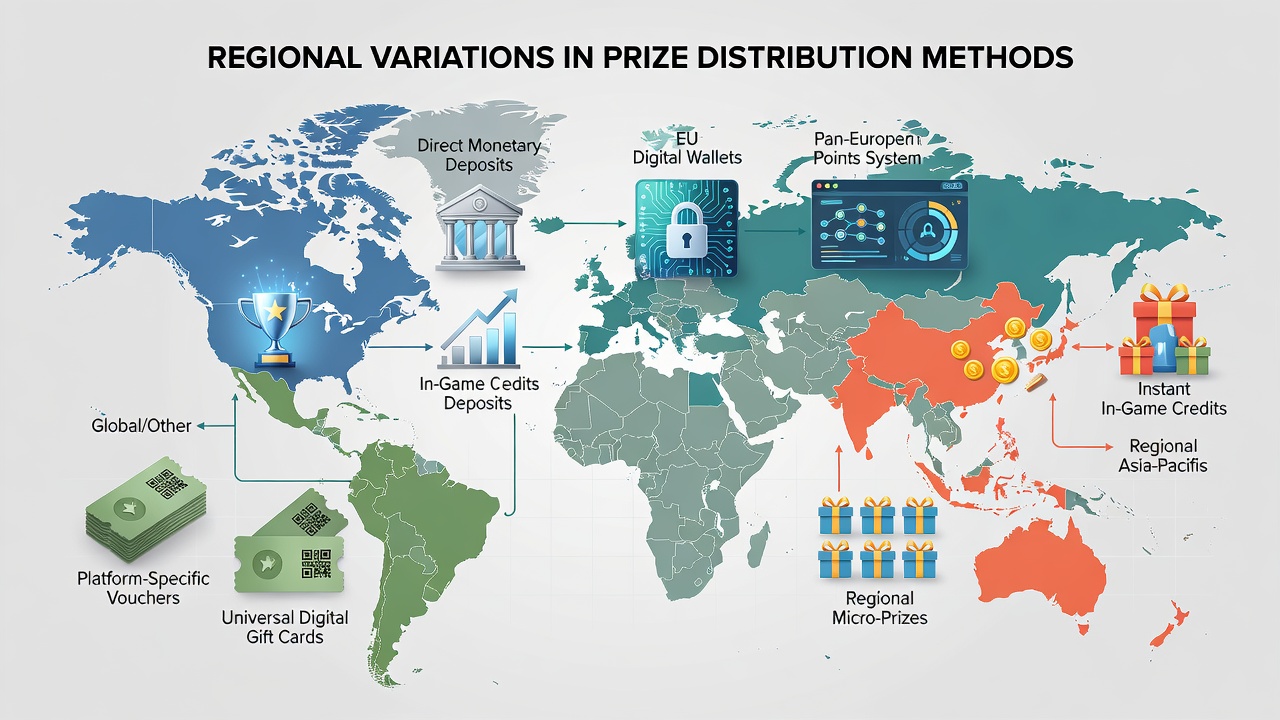
Platforms serving Australia, Japan, and Southeast Asia integrate regional payment gateways that convert leaderboard standings into localized rewards such as gift cards or mobile credit, and research from the Australian Communications and Media Authority shows these conversions reduce cross-border transaction friction while maintaining compliance with advertising standards that prohibit direct cash promotions in several territories. Japanese operators favor point-based systems that unlock tiered physical merchandise, which creates longer engagement cycles compared to the rapid cash-equivalent distributions common in Singapore-licensed events where daily draws favor volume-based random selection over pure ranking.
Observers note that hybrid models appear in cross-border platforms serving multiple Asian markets simultaneously, blending leaderboard rankings with random draw elements to satisfy varying legal thresholds on skill versus chance determinations.
Influencing Factors and Trends
Regulatory divergence drives these differences, with North American emphasis on clear separation between free and paid entries contrasting against European focus on harm minimization through capped prize frequencies, while Asia-Pacific approaches prioritize accessibility via alternative reward formats that avoid direct currency exchanges. Data indicates that platforms adjusting distribution logic by region achieve higher retention rates, particularly when events launched in June 2026 incorporated localized prize types such as regional travel vouchers in Australia or electronics bundles in Japan.
Those who have studied participation logs across borders find that transparent communication of distribution rules correlates with increased repeat entries, especially in markets where operators publish exact formulas for how total prize pools divide among eligible participants.
Conclusion
Regional variations in prize distribution for complimentary digital reel competitions continue to shape how operators design events adn how participants experience outcomes, with each area maintaining distinct methods rooted in local compliance needs and player expectations that show no signs of full convergence as of mid-2026.