Linking Slot Reel Evaluations to Entry Requirements Across Worldwide Sweepstakes Programs
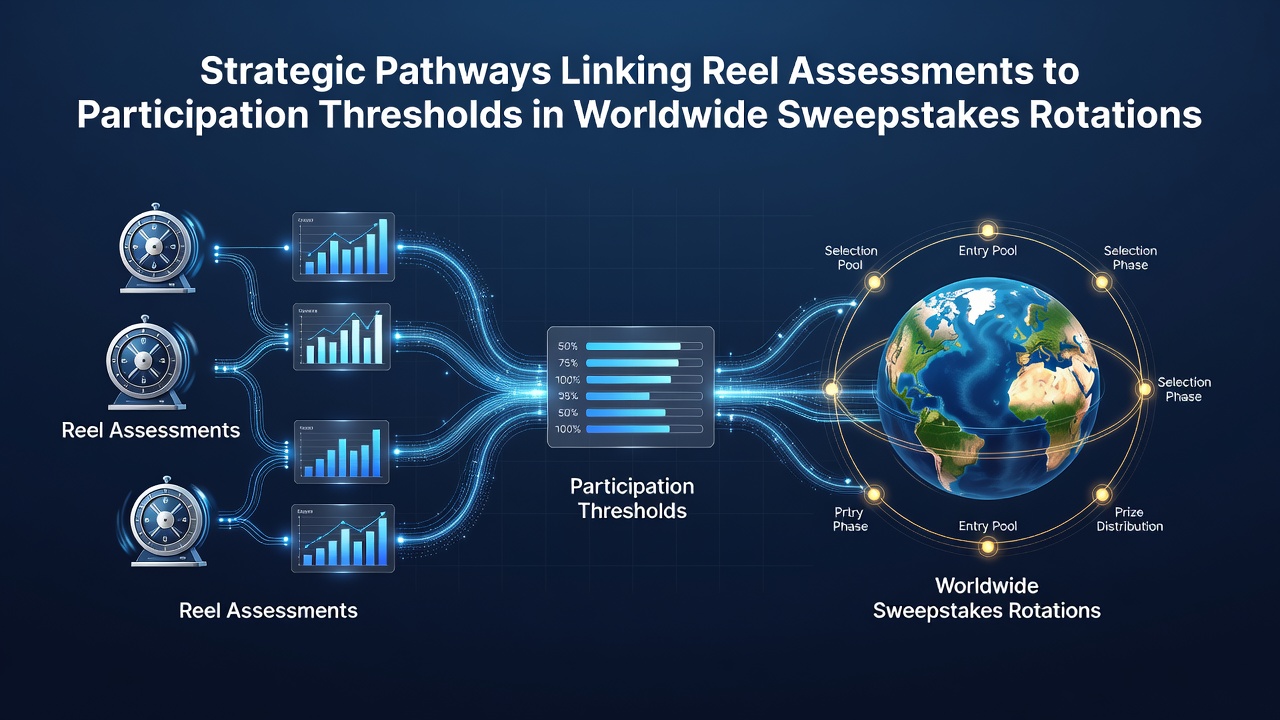
Reel assessments form the foundation for determining participation thresholds in sweepstakes rotations that operate across multiple countries and platforms, and observers note how these evaluations directly shape who qualifies for prize draws and leaderboard events. Data from industry reports shows that platforms examine reel volatility, symbol distribution patterns, and bonus trigger frequencies before setting minimum entry levels for each rotation cycle.
Reel Assessment Methods in Practice
Analysts evaluate reels through standardized testing protocols that measure return-to-player percentages alongside hit rates for specific symbol combinations, while regulatory bodies in different regions require documentation of these metrics prior to approving any sweepstakes format. The Nevada Gaming Control Board publishes guidelines that require operators to submit reel performance data before launch, and similar requirements appear in frameworks used by Australian state authorities and Canadian provincial regulators.
Those who study participation patterns find that reels with higher volatility scores often receive elevated entry thresholds, because the increased risk profile demands greater commitment from participants to maintain balanced prize distribution across rotation periods. This connection appears consistently in tracking systems that monitor engagement metrics from North American and European sweepstakes operators.
Participation Threshold Structures Worldwide
Entry requirements in worldwide sweepstakes rotations typically combine account verification steps with minimum spin or wager counts, and researchers have documented how these thresholds adjust based on reel evaluation outcomes. Platforms set daily, weekly, or monthly qualification targets that scale according to the assessed difficulty of achieving bonus features on particular titles.
Evidence from multiple jurisdictions indicates that low-volatility reels permit lower participation thresholds to encourage broader entry, whereas high-volatility options trigger stricter criteria that filter participants toward more dedicated segments. Figures released by the New Jersey Division of Gaming Enforcement reveal consistent patterns in how these adjustments affect overall rotation engagement rates throughout 2025 and into mid-2026.
Strategic Pathways Connecting Assessment and Thresholds
Operators create pathways that map specific reel characteristics to corresponding entry rules, and these mappings help maintain competitive balance across global prize rotations. One documented approach involves weighting reel bonus frequency scores against required spin volumes, which produces threshold values that reflect both entertainment value and prize pool sustainability.
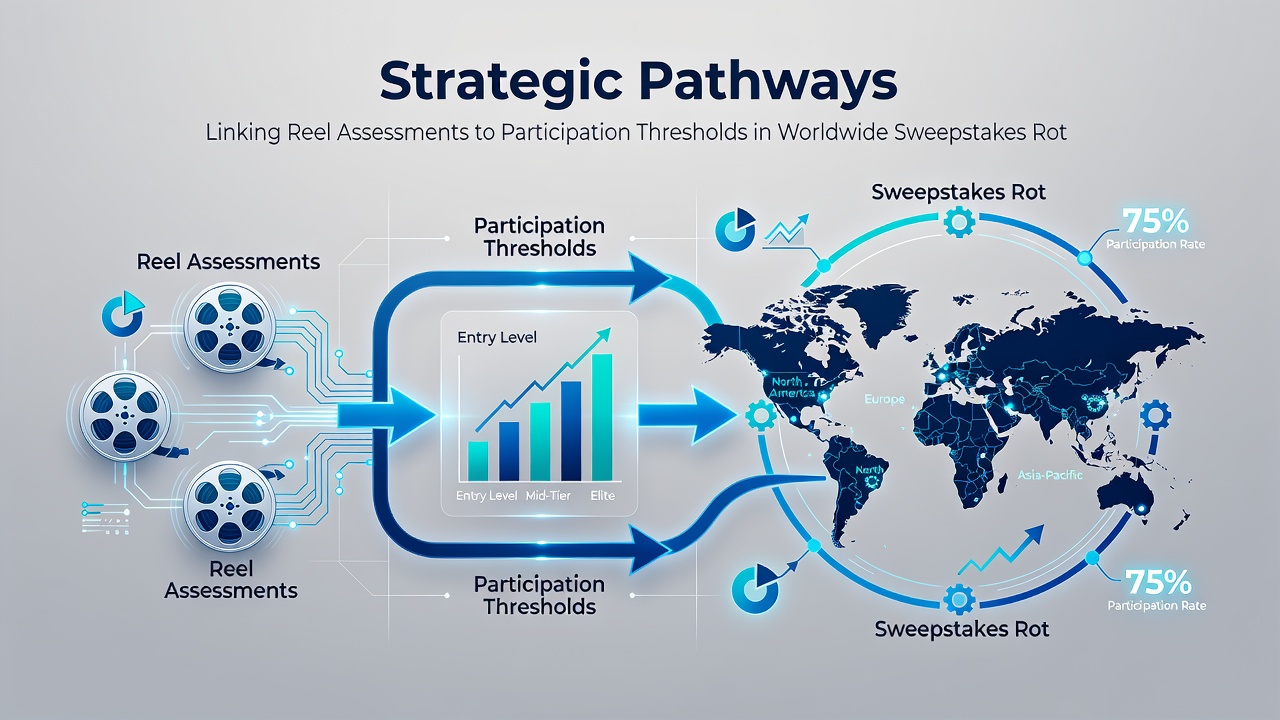
Studies conducted by academic researchers at the University of Nevada, Las Vegas demonstrate that platforms applying these linked evaluation systems achieve more stable participation curves over successive rotation cycles. The pathways also incorporate regional regulatory variations, since thresholds must comply with local rules on prize structures and player eligibility in each market served.
Regional Adaptations and Data Trends
European operators often integrate reel assessments with data protection standards when setting thresholds, while Australian frameworks emphasize consumer protection metrics that influence entry requirements differently. Platforms active in June 2026 continue refining these connections as new titles enter rotations, with synchronization systems tracking real-time performance across borders.
Global data synchronization platforms enable operators to adjust thresholds dynamically when reel assessments reveal shifts in symbol volatility or feature activation rates. Industry organizations such as the European Gaming and Betting Association compile comparative statistics showing how these adjustments correlate with retention across different sweepstakes formats.
Conclusion
Strategic linkages between reel assessments and participation thresholds continue to define how worldwide sweepstakes rotations maintain fairness and engagement across diverse markets. Documentation from multiple regulatory sources and research institutions confirms that these pathways rely on measurable reel characteristics to establish entry criteria that support sustainable prize distribution. Operators apply these connections consistently as new rotations launch, and updated tracking systems provide ongoing visibility into performance across regions.