How Regional Regulations Shape Global Online Gaming Prize Event Structures
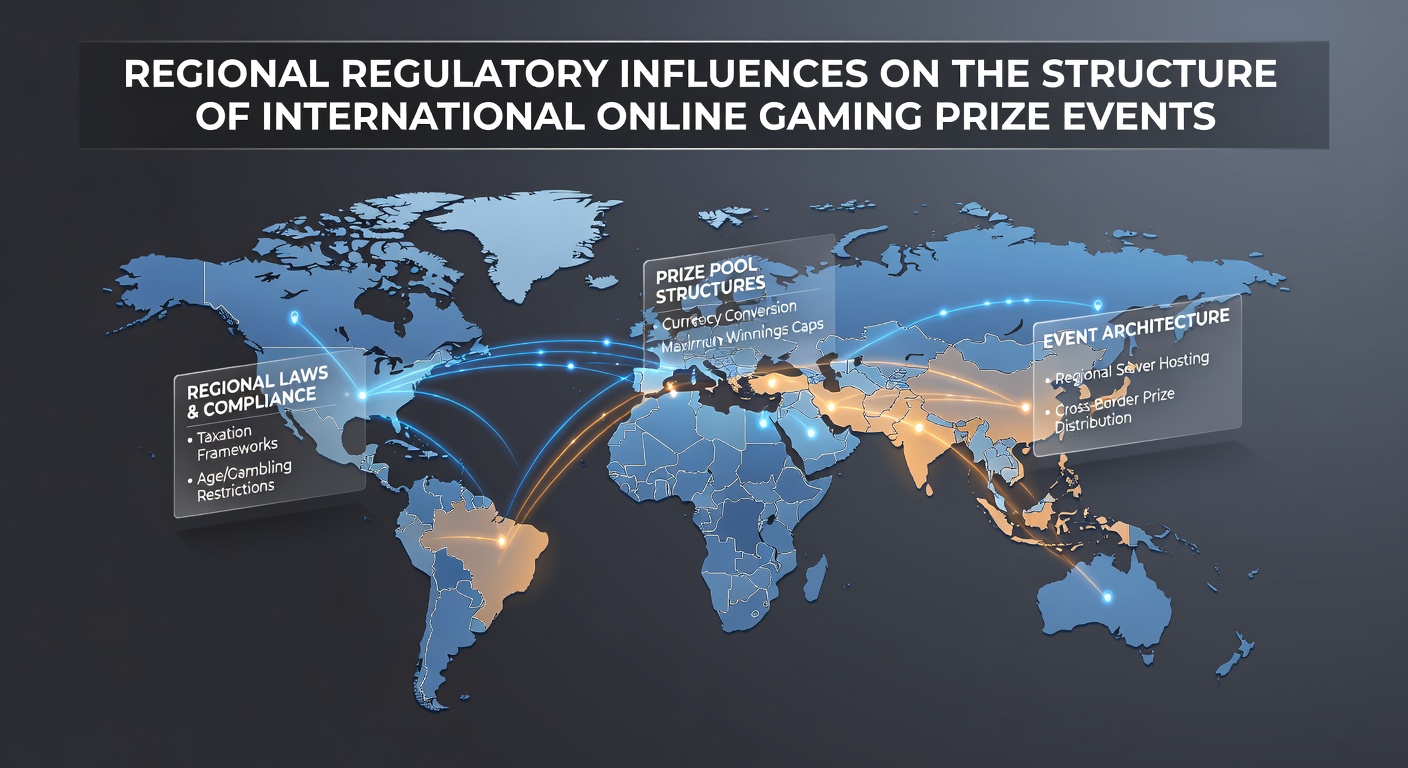
Regional regulatory frameworks determine eligibility criteria, prize distribution models, and operational boundaries for international online gaming prize events in ways that vary significantly by jurisdiction, and these differences force organizers to adapt tournament formats accordingly. Data from multiple oversight bodies shows that operators must navigate distinct rules on participant verification, taxation of winnings, and maximum payout thresholds when structuring leaderboards or competition pools across borders.
North American Approaches and Their Structural Effects
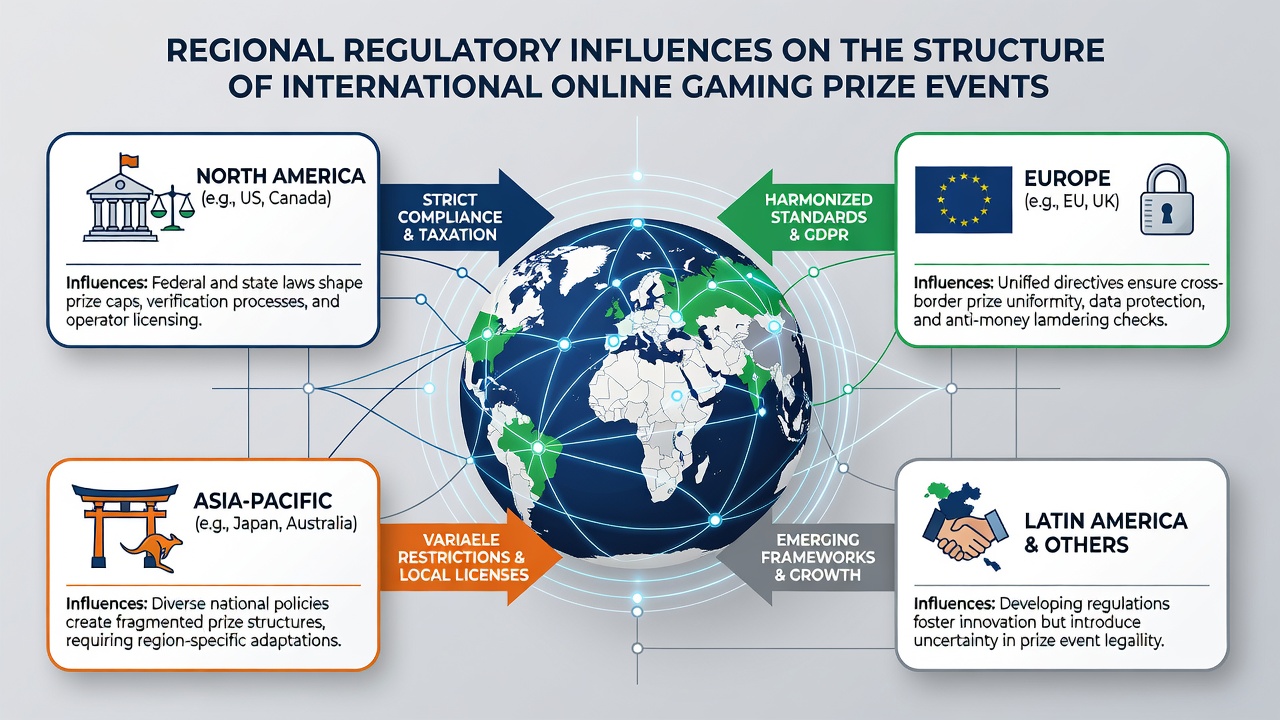
State-level variations in the United States create fragmented requirements that influence how prize events allocate rewards and define entry conditions, while Canadian provincial systems impose additional layers of licensing that affect cross-border participation. Observers note that these rules often lead to segmented prize pools where winners from certain regions receive adjusted payouts to comply with local tax reporting mandates, and figures from the National Council on Problem Gambling reveal ongoing adjustments in event scaling as of June 2026. Organizers respond by implementing geo-fenced leaderboards that automatically exclude or modify rewards based on participant location data.
European Union Directives and Competition Design
EU member states apply differing interpretations of the Unfair Commercial Practices Directive and national gambling statutes, which in turn dictate transparency standards for bonus structures and leaderboard progression in online prize events. Research from the European Gaming and Betting Association indicates that these variations prompt developers to standardize disclosure formats across platforms, yet they still allow for region-specific caps on aggregate prize values that reshape how international tournaments calculate total reward distributions. Those who track compliance patterns find that events frequently incorporate modular rule sets to accommodate both strict consumer protection measures in some countries and more flexible frameworks in others.
Asia-Pacific and Australian Regulatory Models
Australian state and territory laws, alongside emerging frameworks in parts of Asia, emphasize responsible gaming provisions that directly constrain the frequency and scale of prize draws within international competitions. Reports compiled by the Australian Communications and Media Authority document how these provisions translate into mandatory cooling-off periods between tournament rounds and restrictions on promotional mechanics that might otherwise inflate leaderboard participation rates. International operators therefore design events with built-in eligibility filters and phased reward releases to align with these constraints while maintaining competitive appeal for global audiences.
Taxation Policies and Prize Allocation Adjustments
Tax treatment of gaming winnings varies widely and compels event architects to recalibrate payout structures so that net rewards remain consistent across participant bases from high-tax and low-tax jurisdictions alike. Studies published through academic channels such as the Journal of Gambling Studies show correlations between these fiscal policies and the adoption of tiered prize tiers, where top placements receive supplemental adjustments to offset regional withholding requirements. This approach preserves event integrity without violating any single regulatory boundary.
Adaptations in Event Technology and Compliance Tools
Platform providers integrate real-time compliance engines that monitor regulatory updates and automatically adjust competition parameters, such as entry windows or scoring multipliers, to reflect current regional standards. Data synchronization systems enable seamless updates across multiple territories, and industry analyses confirm that these tools have become standard in events operating as of June 2026. The result appears in hybrid formats that combine universal rules with localized overlays, allowing a single international competition to function under divergent legal umbrellas simultaneously.
Conclusion
Regional regulatory influences continue to drive structural evolution in international online gaming prize events through requirements on verification, taxation, and reward limits that differ by location. Operators address these factors by deploying adaptable systems and segmented designs that maintain compliance while supporting broad participation. Evidence from regulatory reports and industry tracking underscores the ongoing need for such flexibility as frameworks evolve.