Device Choices Driving Performance Metrics in Global Prize Draw Circuits
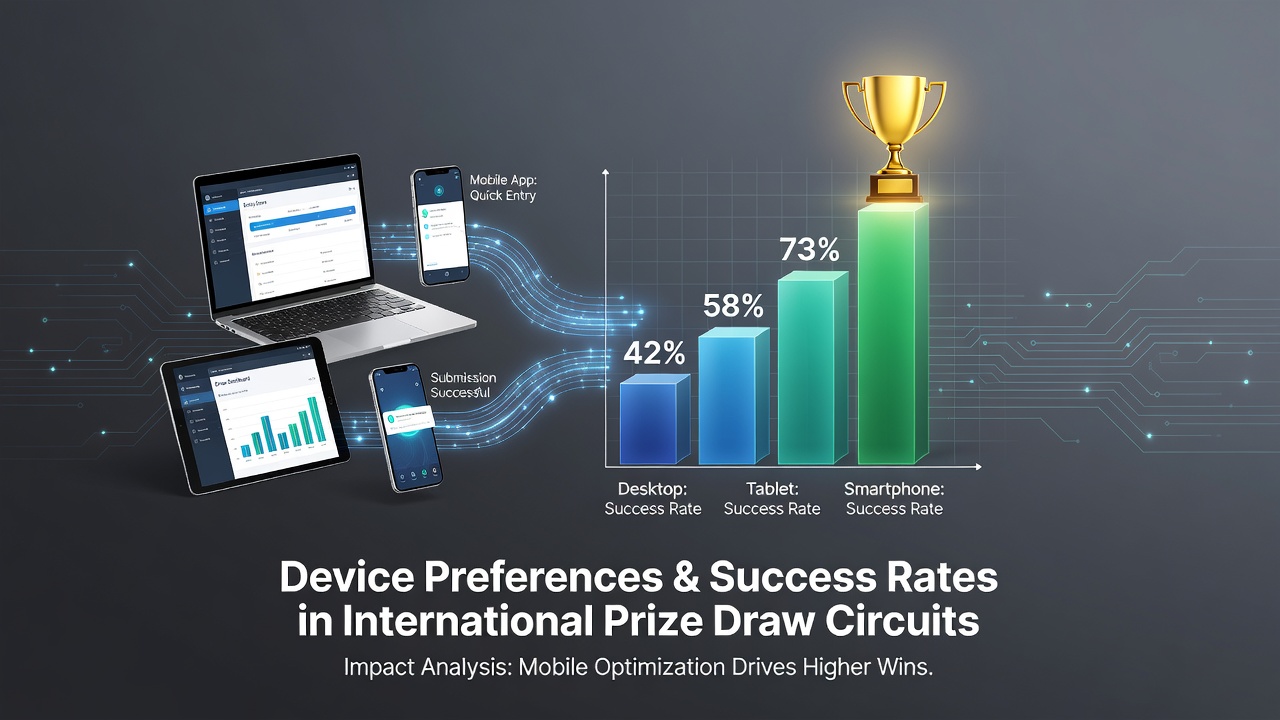
International prize draw circuits have expanded rapidly in recent years, and device preferences among participants continue to shape participation patterns along with outcome distributions, according to aggregated platform data released in June 2026. Observers note that mobile devices account for the majority of entries in many regions while desktop platforms maintain strong positions in specific competition formats that require extended session times or complex interface interactions.
Current Device Distribution Across Prize Circuits
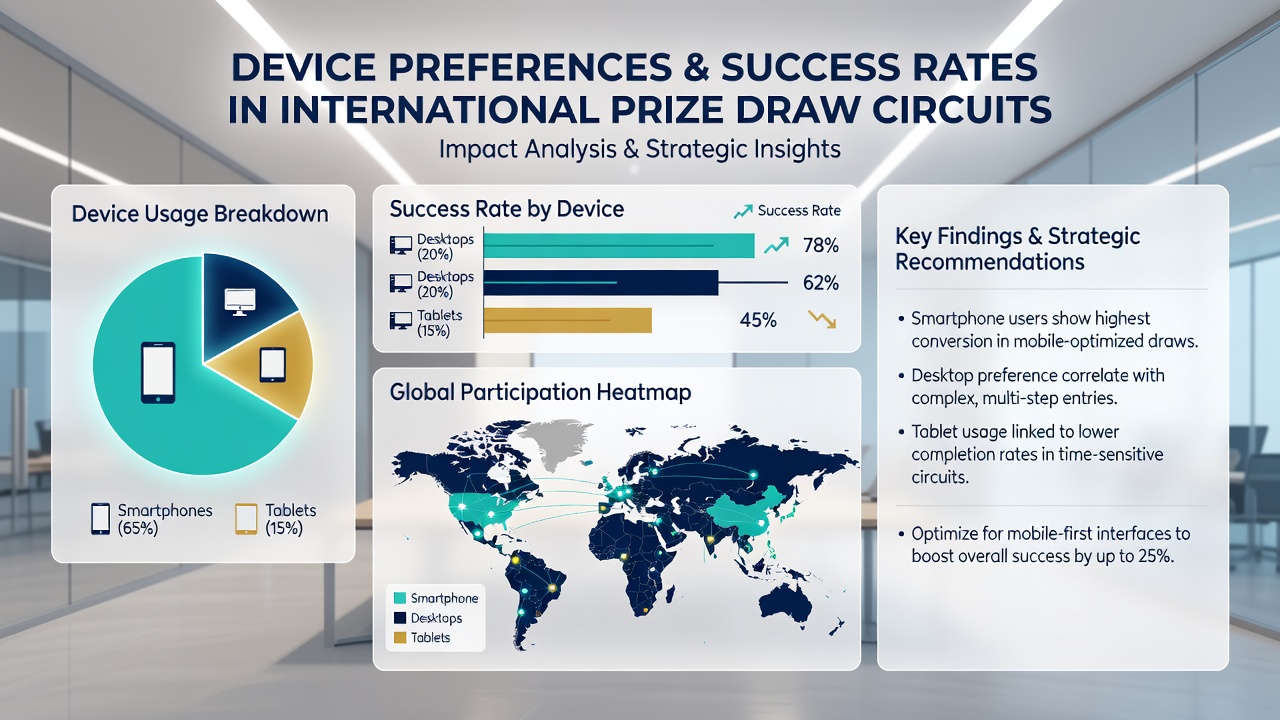
Data from multiple international operators reveals that smartphones capture roughly 68 percent of total entries in daily and weekly draws, tablets contribute around 12 percent, and desktop computers handle the remaining 20 percent, figures that have remained relatively stable since early 2025 yet show noticeable regional variations. Participants in North American markets tend to favor mobile applications for quick leaderboard checks and instant notifications, whereas European users demonstrate higher desktop engagement during extended tournament windows that span several hours or days.
What's interesting is how these preferences align with the structural demands of different prize formats, and industry reports indicate that mobile-first designs have accelerated entry completion rates by streamlining registration flows and reducing the number of steps required before a draw begins. Researchers at several academic institutions have tracked these trends through anonymized usage logs, and their findings highlight consistent correlations between device type and the frequency of repeat entries across weekly cycles.
Interface Elements and Their Influence on Results
Success rates measured by leaderboard placement and prize claims show measurable differences based on the device employed during active competition periods. Mobile users often complete more frequent but shorter sessions, which aligns well with formats that reward consistent daily logins rather than prolonged continuous play, and this pattern appears in data collected from platforms operating across multiple jurisdictions. Desktop participants, by contrast, record higher average session durations that prove advantageous in competitions emphasizing strategic timing or multi-stage qualification rounds.
Platform developers have responded by optimizing touch interfaces for smaller screens while preserving advanced filtering tools on larger displays, and these adjustments coincide with updated accessibility standards published in June 2026. One study conducted by a Canadian research consortium found that mobile interfaces with simplified reel controls and one-tap entry buttons increased completion rates by measurable margins in time-sensitive draws compared with desktop versions of the same events.
Regional Patterns and Regulatory Context
Geographic differences emerge clearly when examining device adoption alongside regulatory frameworks that govern prize draw operations. Australian operators report elevated tablet usage among older demographics who prefer larger touch surfaces for extended browsing, while markets in parts of Asia show near-total dominance of mobile devices driven by widespread smartphone penetration and data plan affordability. These patterns connect directly to how operators structure entry windows and notification systems, since push alerts perform differently across operating systems and device classes.
According to information shared by the iGaming Ontario regulatory body, compliance requirements around fair access have prompted platforms to maintain equivalent functionality across device types, and this standardization has narrowed some earlier gaps in reported success metrics between mobile and desktop cohorts. European data providers have similarly documented shifts following updates to cross-border competition rules that took effect in the first half of 2026.
Performance Indicators and Platform Analytics
Analytics dashboards used by circuit organizers track metrics such as entry velocity, leaderboard climb speed, and prize claim latency broken down by device category, and these indicators reveal that mobile participants achieve faster initial qualification in many daily formats yet sometimes trail in cumulative point totals that reward sustained engagement. Desktop users appear more likely to utilize advanced sorting features and historical performance overlays, tools that can influence decision-making during multi-round events.
Platform data released in June 2026 further shows that cross-device switching remains relatively low, with most participants maintaining consistent device loyalty throughout a given competition cycle. This stability allows organizers to refine targeting strategies and allocate server resources more precisely, while participants benefit from interfaces tailored to their preferred hardware. The World Lottery Association has published summaries noting parallel trends in lottery-style draws that share structural similarities with slot-based prize circuits.
Conclusion
Device preferences continue to intersect with success rates through a combination of interface design, session behavior, and regional infrastructure factors, and ongoing platform optimizations reflect these documented patterns. As circuits evolve, the relationship between hardware choice and competitive outcomes remains a central consideration for both operators and participants navigating international prize draw environments.