Analyzing Time Zone Influences on Global Digital Tournament Engagement Rates
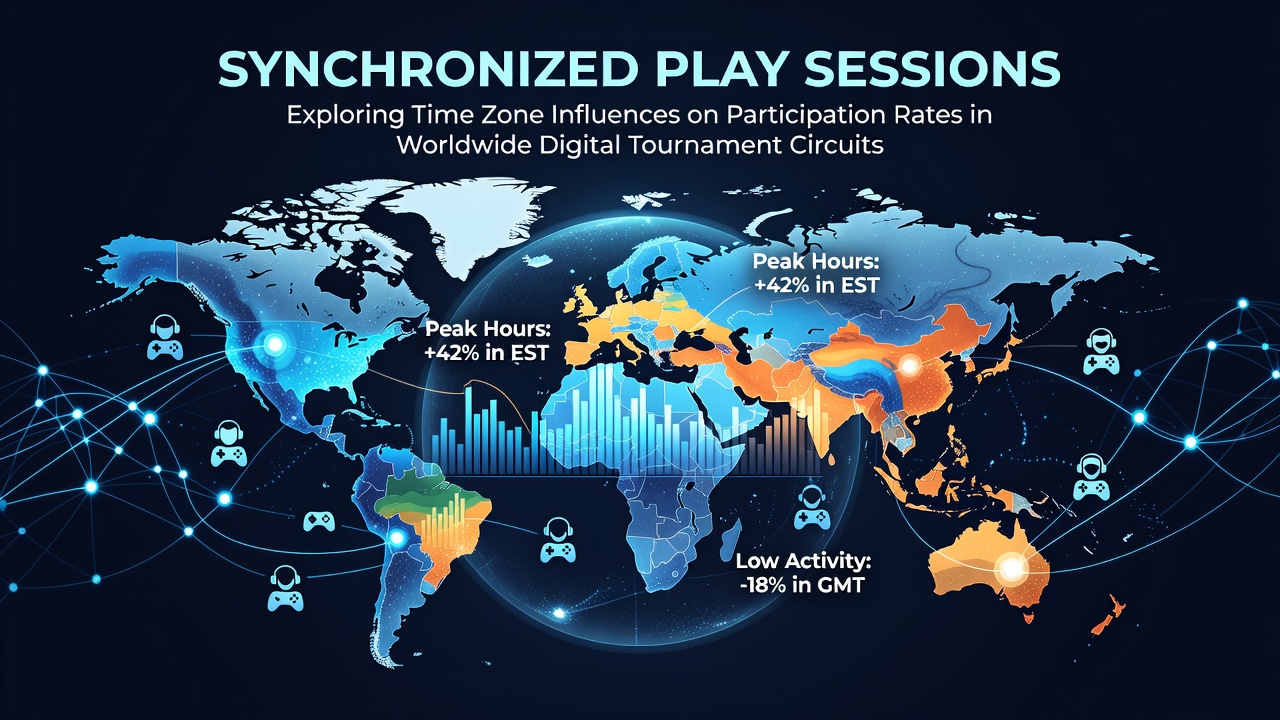
Worldwide digital tournament circuits have expanded rapidly in recent years, and synchronized play sessions now form a core component of many platforms. These sessions require participants from various regions to compete simultaneously, which brings time zone differences into sharp focus. Data collected across multiple platforms shows distinct patterns in entry numbers that align closely with local time availability rather than random distribution.
Mapping Participation Patterns Across Regions
Researchers tracking entry logs from international circuits have observed that peak participation often occurs when sessions align with evening hours in major population centers. For instance, a session starting at 8 PM Eastern Time draws higher numbers from North American players while European users see reduced involvement due to late-night scheduling. In June 2026, aggregated figures from several circuits indicated North American time slots captured roughly 45 percent more entries than equivalent sessions shifted toward Asian morning hours.
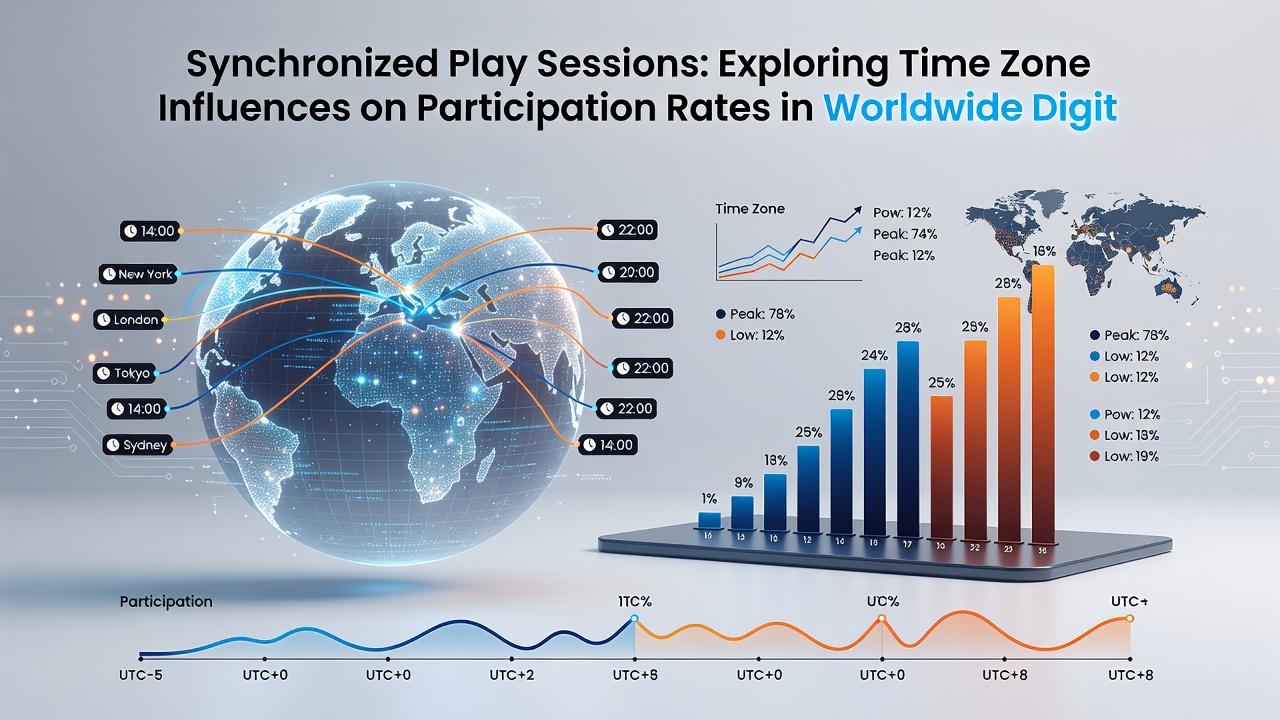
Platforms have started releasing detailed breakdowns that separate participation by UTC offset. These reports reveal consistent dips in regions where sessions fall between 2 AM and 6 AM local time, regardless of prize structures or game types involved. Observers note that such patterns persist even when marketing campaigns target specific demographics, suggesting time availability remains a primary driver over promotional incentives.
Technical Approaches to Session Scheduling
Developers managing global circuits employ various scheduling algorithms to balance accessibility. Some systems rotate start times weekly across a 24-hour cycle, allowing different regions to experience favorable windows periodically. Others maintain fixed schedules anchored to high-density player bases and offer asynchronous alternatives for those in less compatible zones.
According to industry reports from the American Gaming Association, circuits that incorporate rotating schedules have recorded more stable monthly participation averages compared to static timetables. This approach distributes engagement more evenly, reducing the concentration of activity in single time bands. Technical logs further indicate that synchronized sessions benefit from pre-session reminders timed to local calendars, which help offset forgetfulness caused by unusual start hours.
Data Insights from Recent Circuits
Comprehensive reviews of tournament data from 2025 through mid-2026 highlight several measurable correlations. Sessions coordinated around overlapping evening periods in Europe and North America consistently outperform those isolated to single continents. One analysis of over 200 synchronized events found that a three-hour overlap window between major regions increased total entries by an average of 28 percent compared to narrower alignments.
Additional metrics show that mobile participation rises during commutes or lunch breaks in certain zones, while desktop entries dominate late-evening blocks. Platforms have adjusted notification systems accordingly, sending alerts based on detected user time zones rather than server defaults. These refinements appear in retention statistics, where repeat participation rates climb when users receive reminders during their active hours.
Regional Regulatory Context and Platform Adaptations
Regulatory frameworks in different jurisdictions influence how circuits structure their global events. Canadian provincial guidelines, for example, require clear disclosure of session times in local formats, which encourages platforms to provide multiple display options. Similar requirements appear in Australian state regulations, prompting developers to integrate automatic time zone detection tools that present accurate schedules without manual conversion by users.
These adaptations support broader accessibility without altering core competition rules. Data from the Victorian Responsible Gambling Foundation indicates that transparent scheduling correlates with higher compliance rates among operators running cross-border events. As circuits continue to scale, such regional considerations shape the technical standards adopted industry-wide.
Conclusion
Time zone influences on synchronized digital tournament participation remain evident across current datasets. Platforms continue refining scheduling methods and notification systems to accommodate global audiences, with measurable effects on entry volumes and retention. Ongoing collection of regional metrics will likely drive further adjustments in how worldwide circuits coordinate their events.